
Last updated September 20, 2026
Full 25-point door and opener safety check with every visit - springs, cables, rollers, tracks, and your LiftMaster or Chamberlain opener included
You get a price before we start. It does not change when the truck arrives.
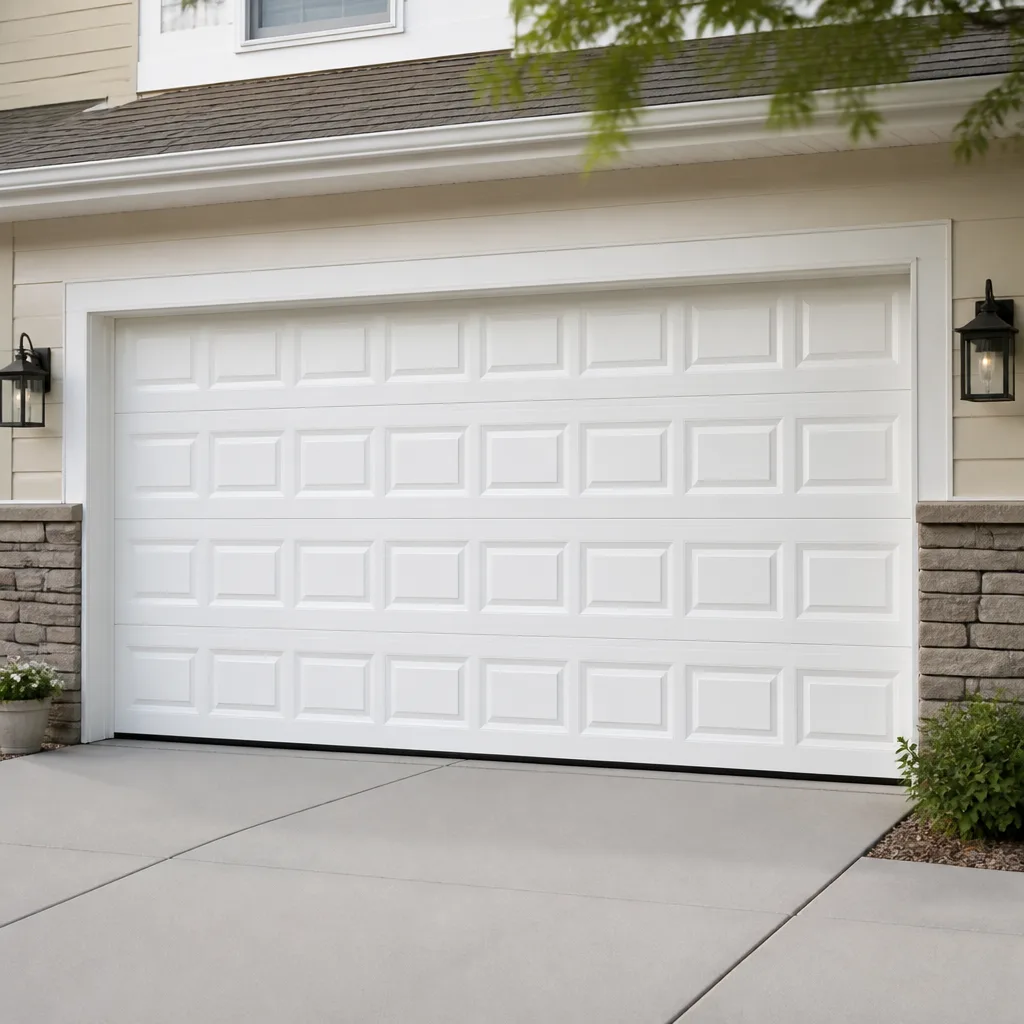
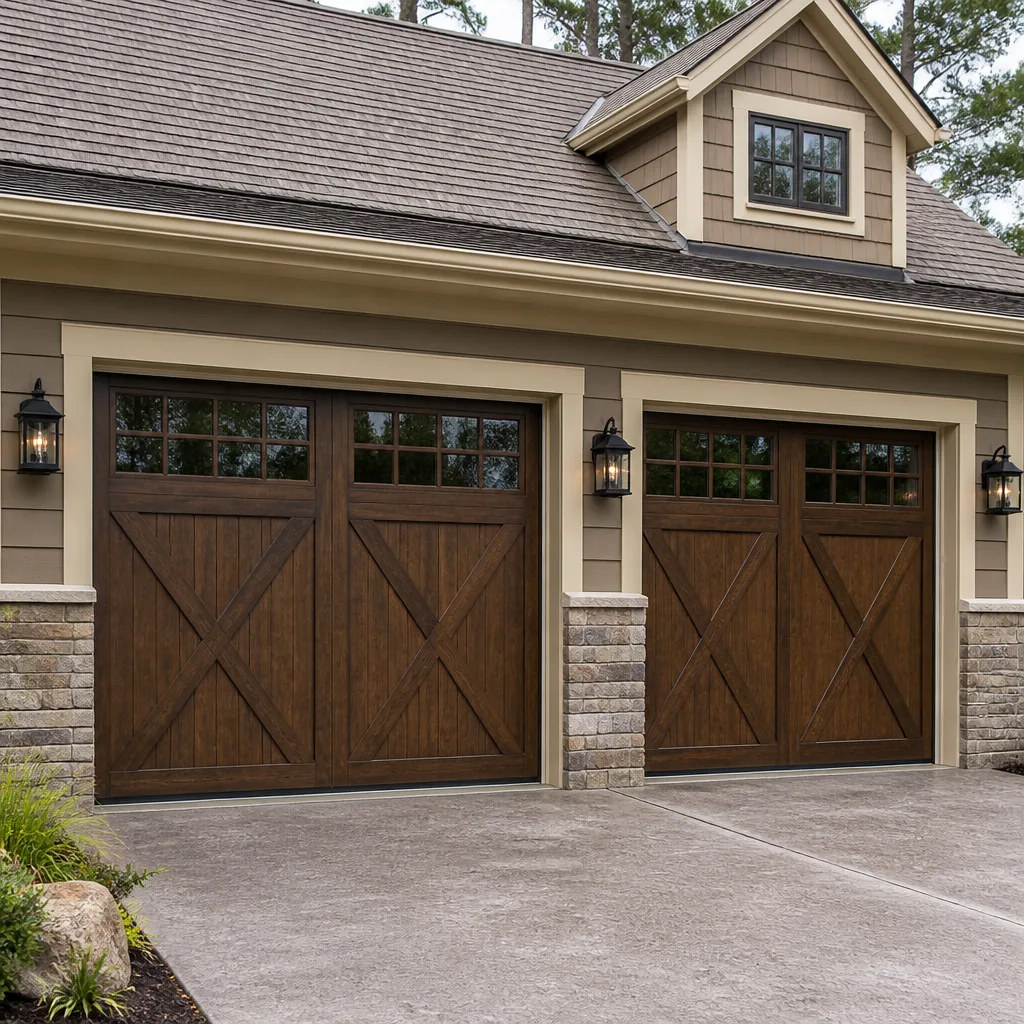
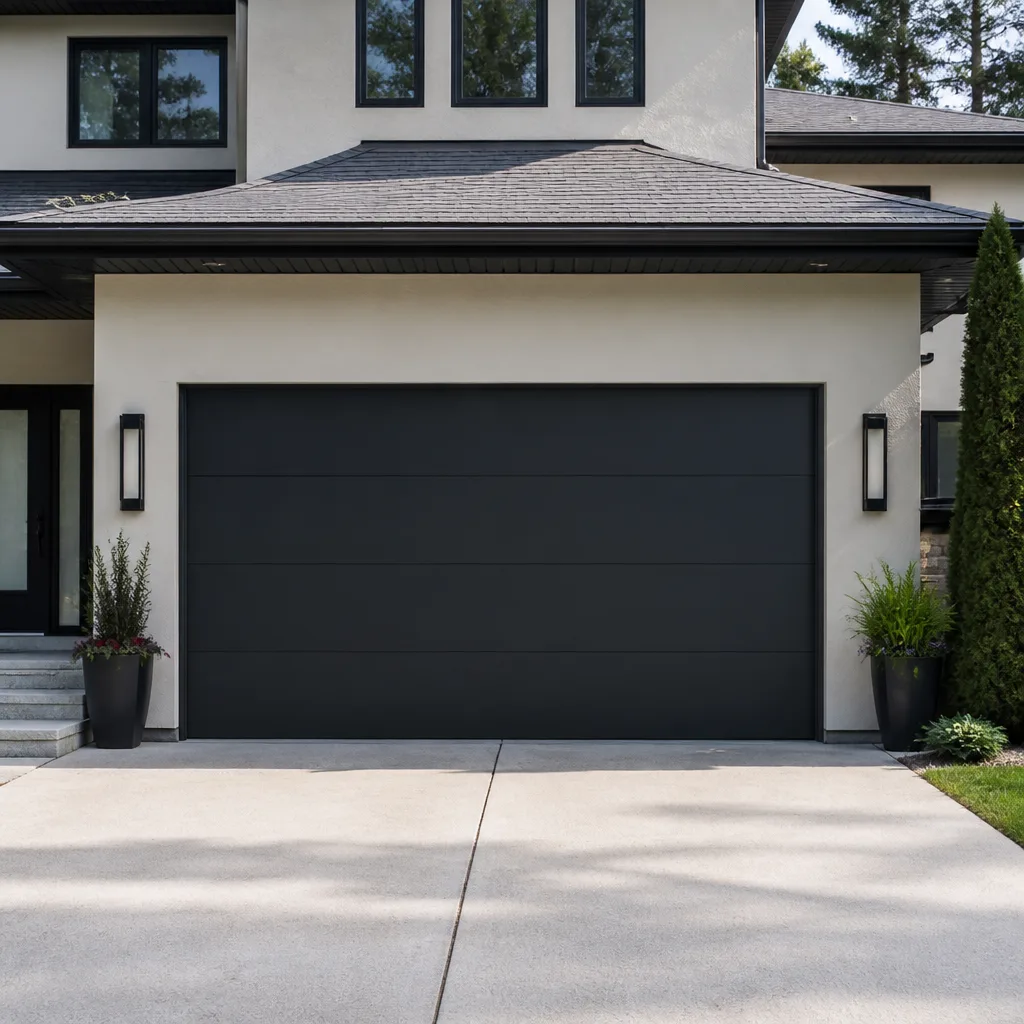
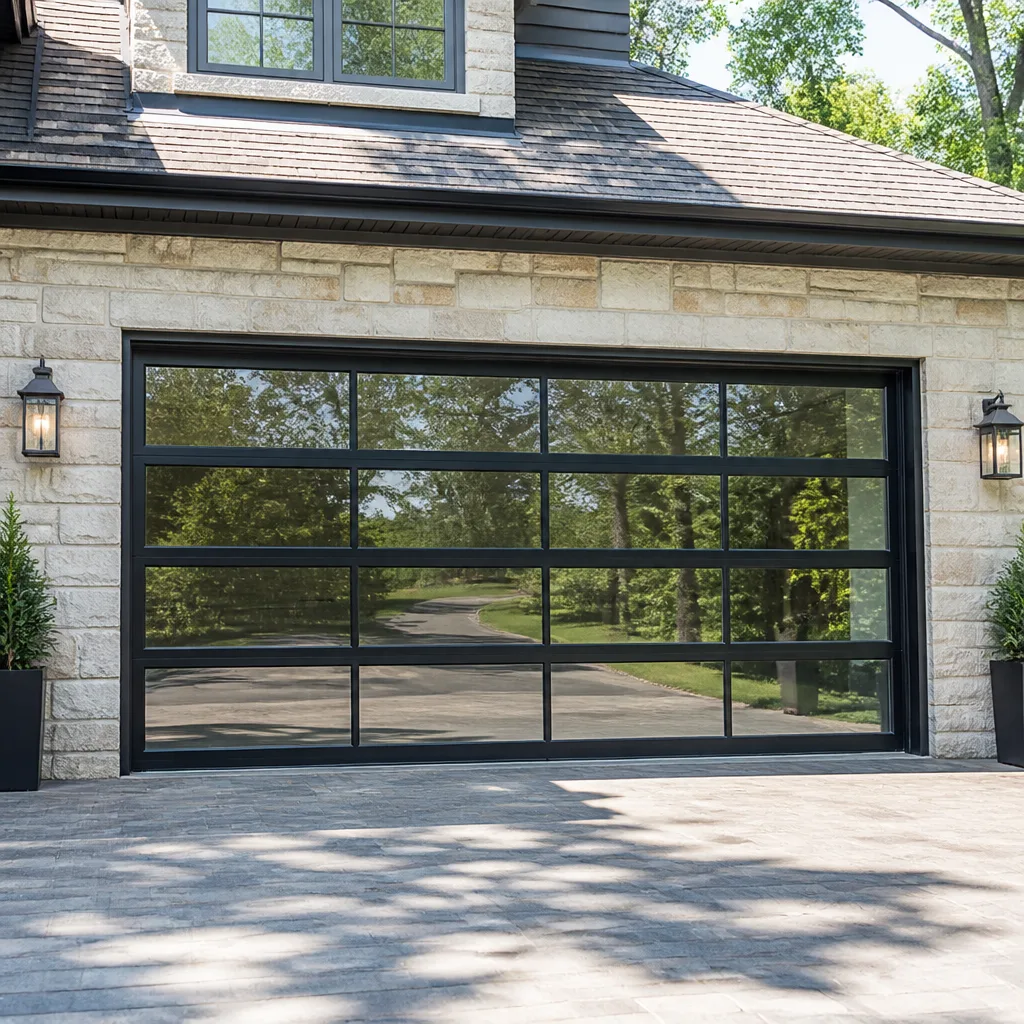
 Before
 After
After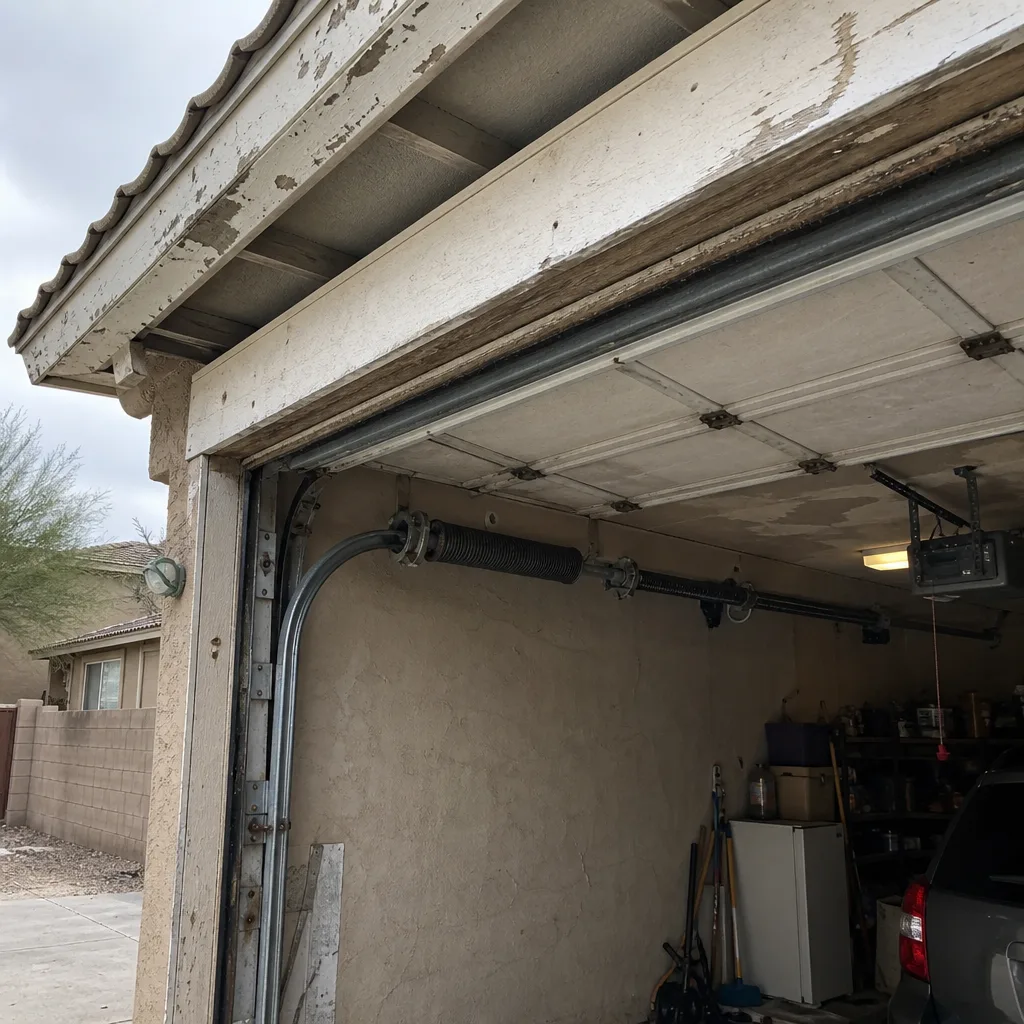 Before
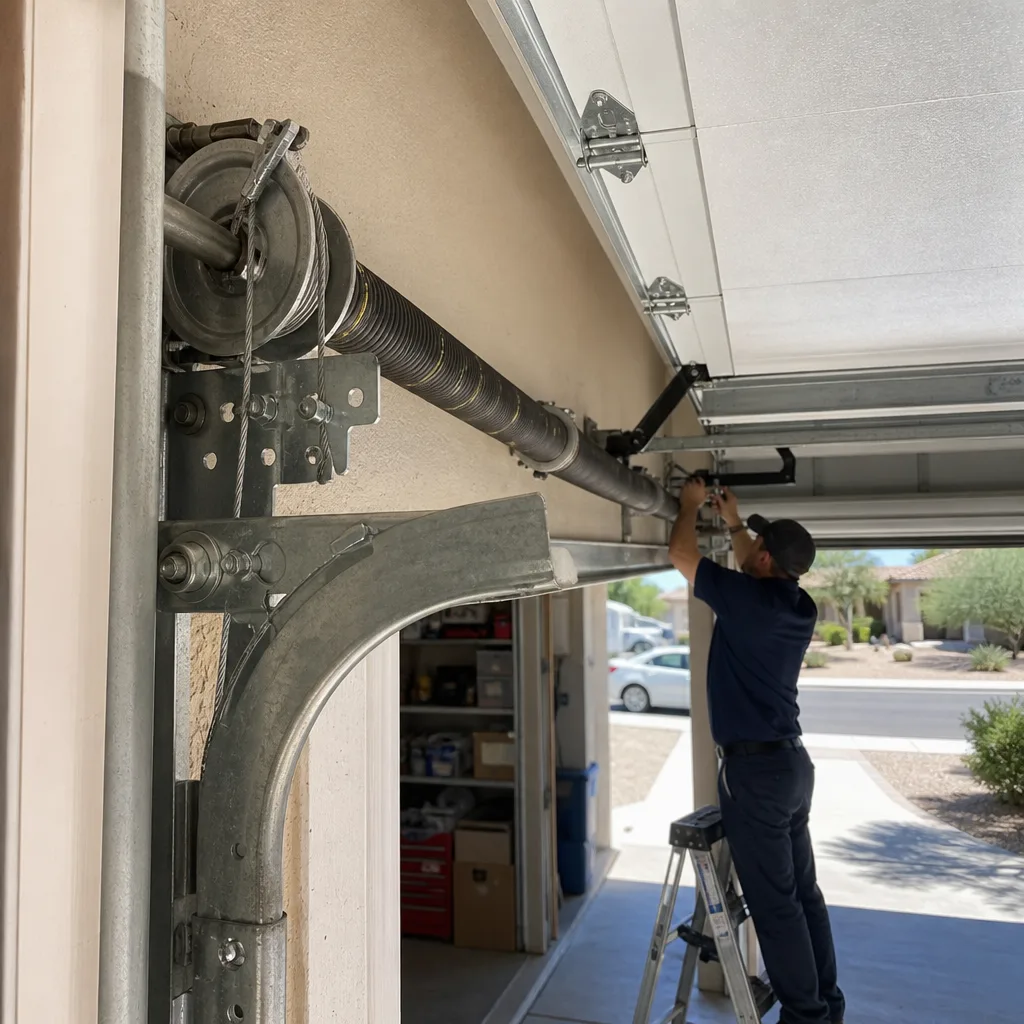 After
After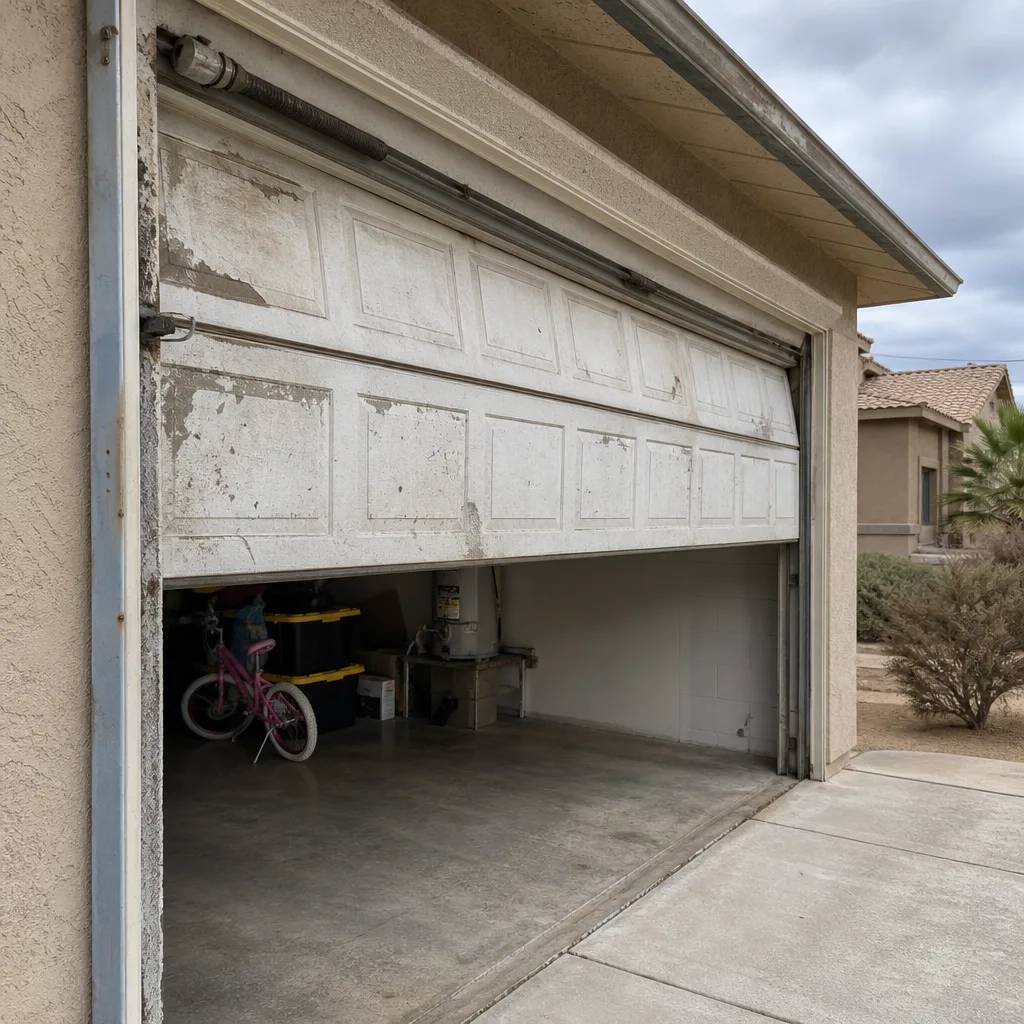 Before
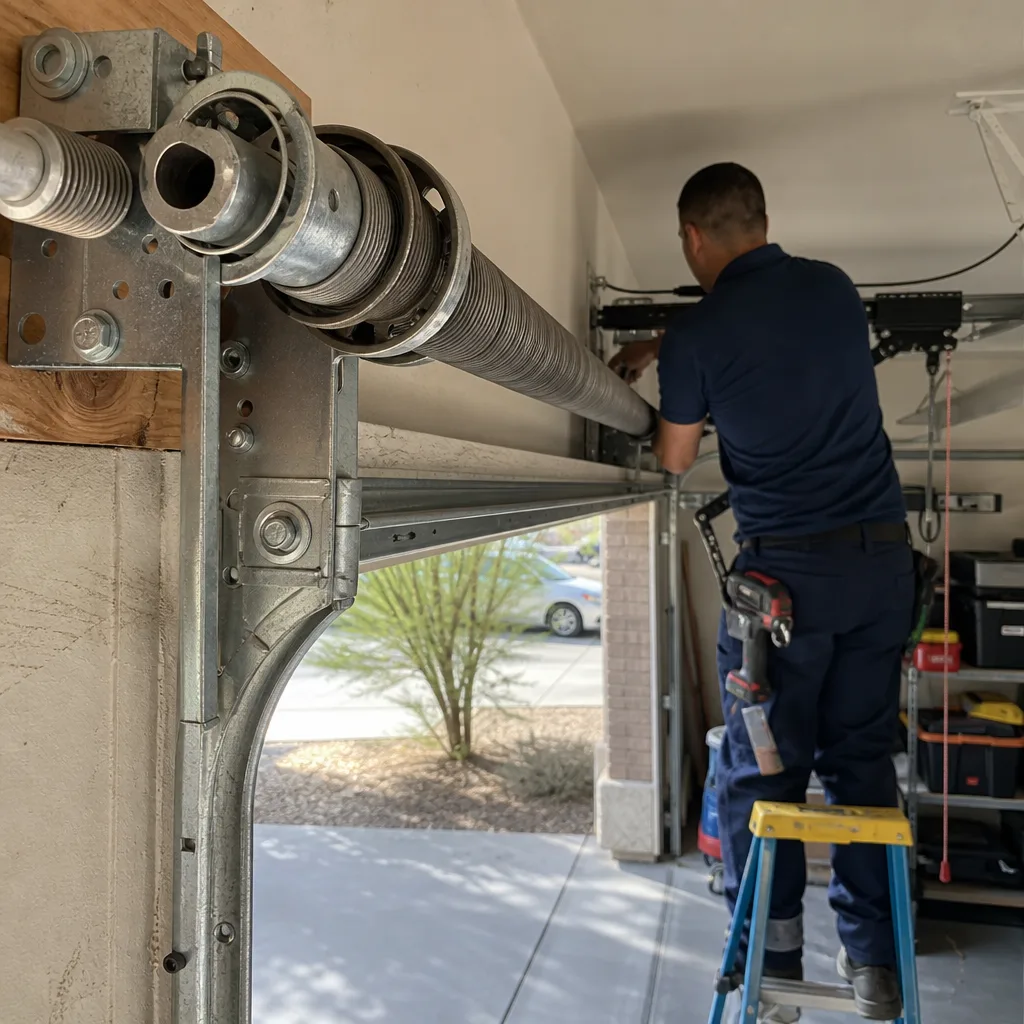 After
AfterGarage Door Cost Breakdown: The Phoenix Homeowner’s Reference for 2026
In 2025, two Phoenix homeowners on the same street in Arcadia received quotes for the same 16×7 steel garage door. One paid $1,150. The other paid $2,300. Same door gauge, same insulation rating, same opener compatibility. The difference wasn’t the door. It was the parts markup, the disposal fee, and whether the quote itemized anything at all. This guide exists because that $1,550 spread is auditable if you know what a quote should actually contain. You’ll learn the wholesale cost of every major component, the three Phoenix-specific cost drivers national pricing guides never mention, how to read a quote line by line, and the breakeven math on repair versus replacement. For garage door warning signs every Phoenix homeowner should know, see our dedicated reference.
Quick Answer
A garage door replacement in Phoenix for 2026 typically runs between $1,100 and $2,800 installed, with the door itself accounting for roughly 40% of that figure and labor, hardware, track, springs, and disposal making up the rest. A single-panel or no-insulation door on an existing track with no disposal complications starts around $850 to $1,200. The most common repairs, a torsion spring replacement or a full roller set, tend to land between $180 and $420. Every exact figure depends on door weight, track condition, and whether the quote actually itemizes what you’re paying for.
Table of Contents
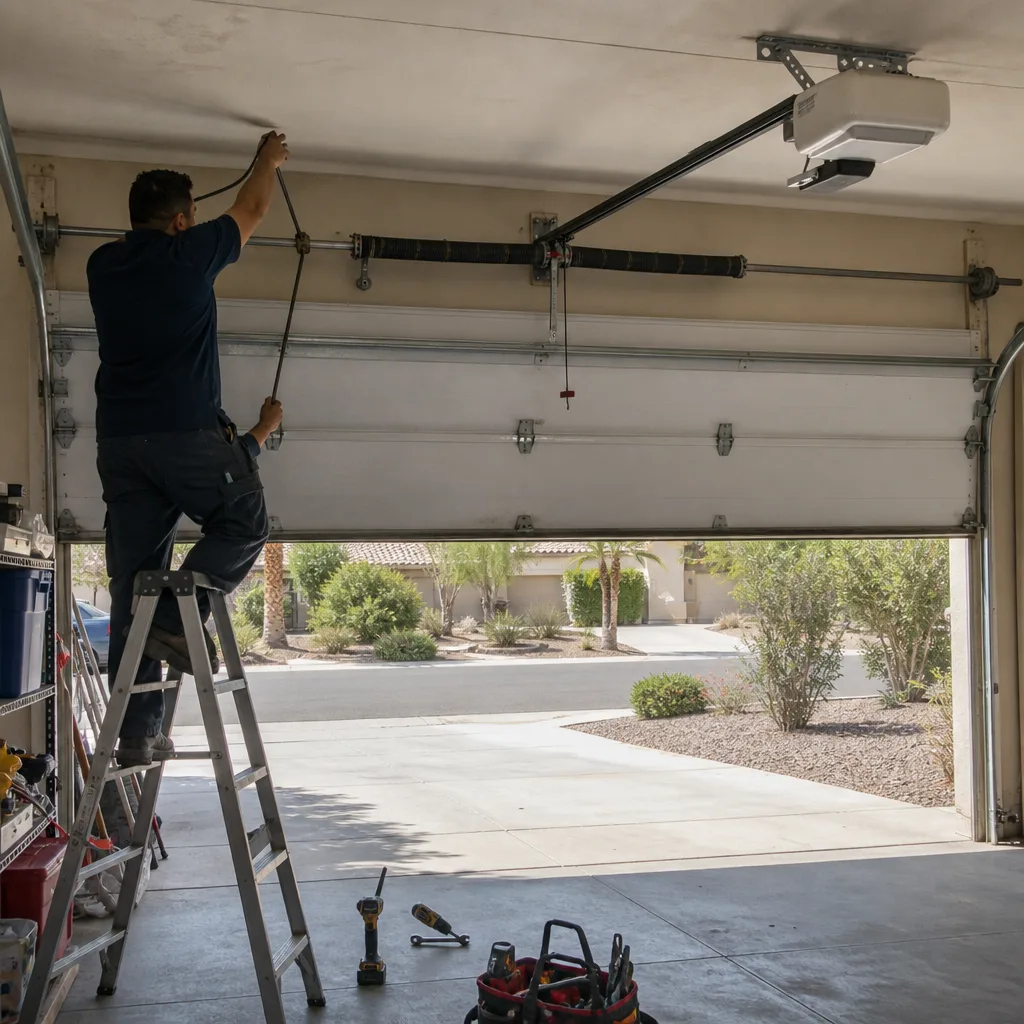
- Parts Cost Table: What the Contractor Pays vs. What You Pay
- Three Phoenix Cost Drivers National Averages Miss
- How to Read a Garage Door Quote Line by Line
- Repair vs. Replace: The Breakeven Calculation
- What a ‘Lifetime Warranty’ on a Spring Actually Means
- Door Gauge and Insulation: What You’re Actually Paying For
- Opener Costs and Thermal Protection Class in Phoenix
- Disposal Fees and Maricopa County Steel Recycling
BeforeAfterParts Cost Table: What the Contractor Pays vs. What You Pay
This is the section most homeowners never see. A garage door quote in Phoenix typically shows you one number per line item, not the underlying structure of that number. Here’s what we know from purchasing these parts every week since 2015: a contractor’s wholesale cost for most garage door components is remarkably consistent. The variance in your final quote comes from the markup layer added on top, and that markup varies wildly between companies.
Below is a parts reference table for the most common Phoenix garage door repairs. The wholesale range reflects what an established, volume-buying company in the Valley pays. The retail range is what you should expect to see on a written quote. The gap between them is where markup lives.
| Part | Wholesale Cost Range | Typical Installed Price Range | Notes |
|---|---|---|---|
| Torsion spring (single) | $35-$75 | $180-$340 | Price rises with door weight; high-cycle springs cost more upfront and last years longer. |
| Extension spring (single) | $15-$35 | $120-$220 | Most common on older single-car doors; usually replaced in pairs. |
| Roller set (10-12 rollers) | $5-$20 total | $110-$180 | Standard steel rollers are cheap; nylon rollers with sealed bearings run higher and run quieter. |
| Cable set (pair) | $10-$25 | $110-$200 | Cables are usually replaced with springs because a frayed cable means a compromised system. |
| Bottom seal (16 ft) | $12-$30 | $90-$160 | Phoenix heat hardens rubber seals faster than most climates; this is a frequent replacement. |
| Hinge set (all positions) | $15-$40 | $80-$180 | Depending on door width, you’re replacing 5 to 12 hinges, not just the broken one. |
| Opener logic board | $40-$90 | $150-$280 | Common on LiftMaster and Chamberlain models when the board burns out from Phoenix summer heat. |
Here’s the thing to know: markup isn’t inherently dishonest. A business has to cover liability insurance, fuel from Phoenix to Peoria for every job, background-checked technicians, and the cost of answering phones 24 hours a day. The issue arises when the quote doesn’t tell you what you’re paying. A $90 roller-set job quoted as a single flat rate with no parts breakdown makes it impossible to assess whether the labor charge is reasonable. When we write a quote at Servo Garage Doors Phoenix, we show the component cost and the installed cost separately, in writing, before any work starts. This is Clause 1 of The Haven Standard, and it’s the reason we’ve never needed a “call for a quote” conversion.
For context on what a full repair job looks like when itemized properly, read our guide to Garage Door Repair in Phoenix.
Three Phoenix Cost Drivers National Averages Miss
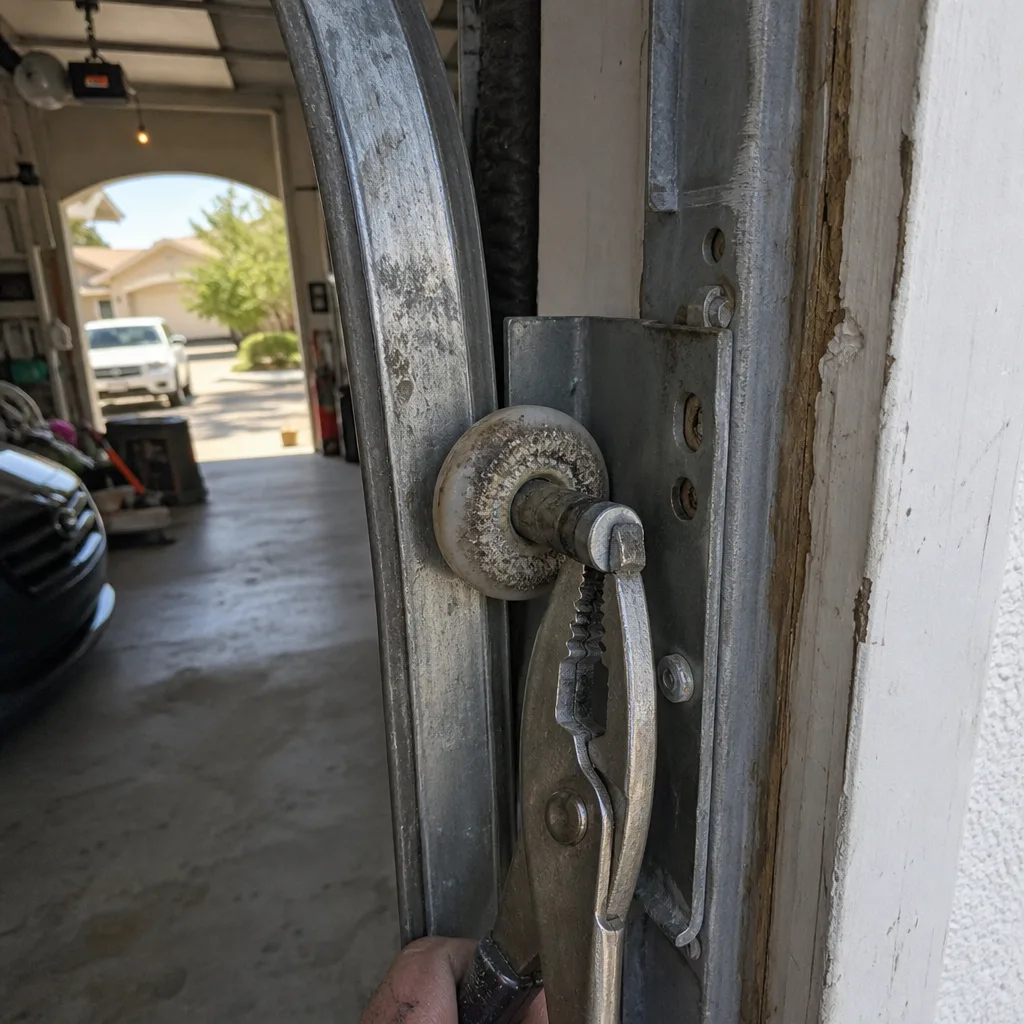
National garage door pricing guides are written from a data set that leans heavily on mild climates and dense urban corridors. Phoenix breaks those models in three specific ways, and if your contractor doesn’t account for them, you’re either getting an inferior door or a quote that won’t hold up. Before you commit, make sure you understand garage door permits, codes & inspections in AZ: what you need to know.
1. Door Gauge Requirements for Sustained Heat
A standard 25-gauge steel door is the most common national recommendation for a two-car garage. In Phoenix, sustained summer temperatures regularly push garage interiors past 140°F. That kind of continuous heat causes thinner steel to flex, warp, and lose its structural tension faster than the Midwest baseline national pricing assumes. We recommend 24-gauge steel or lower for Phoenix homes, sometimes 20-gauge for exposed west-facing garages in neighborhoods like Ahwatukee or Desert Ridge where the late-afternoon sun hits the door directly. The thicker gauge costs $120 to $300 more per door and buys you a door that doesn’t start creaking and sagging within four years. For most Phoenix homeowners we see, the upcharge is money well spent. For a full breakdown of installation variables, see our page on Garage Door Installation in Phoenix.
2. Opener Thermal Protection Class
Garage door openers have a thermal protection class rating that tells you how well the motor handles ambient heat. A standard residential opener rated for 104°F ceiling will work fine in Kansas City. It will cook in a Phoenix garage in July. The logic boards in LiftMaster and Genie openers run hot even in normal conditions; add a 120°F garage and you’re looking at a burned-out board every two to three years. We recommend openers with a thermal protection class of 140°F or higher for Phoenix installations. These units typically cost $80 to $150 more than the base model and last twice as long. The lesson: a cheap opener in Phoenix is not cheap. You’re prepaying for a future logic board replacement.
3. Maricopa County Disposal Fees for Old Steel
This one surprises people. When you replace a garage door in Phoenix, the old door doesn’t just get tossed in a pile somewhere. It’s steel, often with fiberglass insulation, sometimes with old opener motors still attached. Maricopa County transfer stations charge a disposal fee for construction debris, and that fee is not fixed; it depends on the load weight and whether the door can be recycled whole or has to be broken down. A two-car steel door can weigh 150 to 250 pounds. The disposal fee added to your replacement quote ranges from $50 to $150. Some contractors bury this in the labor line. Some forget to include it entirely and then add it as a surprise line item after the work is done. When we photograph the failed component and write the scope, the disposal fee is in writing on the quote before the work starts, per The Haven Standard.
How to Read a Garage Door Quote Line by Line
A properly written garage door quote in Phoenix should contain no fewer than six line items. If your quote has one line that says “garage door replacement” and a dollar amount, you are not looking at a quote. You’re looking at a guess with a dollar sign attached. Here’s how to read each line, what’s fixed, and what’s negotiable.
- Door panel cost. This is the wholesale price of the door itself, usually from Clopay, Amarr, or Wayne Dalton. Fixed. The manufacturer sets this. Your contractor can’t change it without changing the door. If you’re being quoted a door at $800 over its retail price, you’re paying markup the contractor won’t explain.
- Track and hardware kit. Includes the vertical and horizontal track, hinges, brackets, and fasteners. Fixed at wholesale; markup varies. Some contractors push “upgraded track” for a few hundred dollars. For most standard two-car doors in Phoenix, standard-radius track is fine.
- Torsion spring system. This should be quoted separately from the door. Springs are rated by cycle life. A 10,000-cycle spring costs more than a 5,000-cycle spring. If your quote doesn’t specify cycle rated, ask. This is a line item where a cheaper quote often hides a shorter-life spring.
- Labor. This is the only line that’s fully under the contractor’s control. It’s also the line where you can most clearly compare companies. Labor for a standard replacement in Phoenix runs $300 to $700 depending on door size and whether the opening needs modification.
- Disposal and haul-away. Discussed above. This should be its own line item. If it’s not there, ask where it went.
- Opener and operator hardware. If you’re also replacing the opener, it should be a separate line. Mixing the opener into the door replacement line makes both costs impossible to evaluate.
One more principle: anything you’re told verbally that isn’t in writing doesn’t exist in contract law. If a contractor says “the disposal is included” but it’s not on the quote, it wasn’t included. Every line item on our quotes at Servo Garage Doors Phoenix is written out before the technician touches the door. If the scope changes, the written quote changes before the work does. That’s been our rule since 2015 and it’s never once failed us.
Repair vs. Replace: The Breakeven Calculation
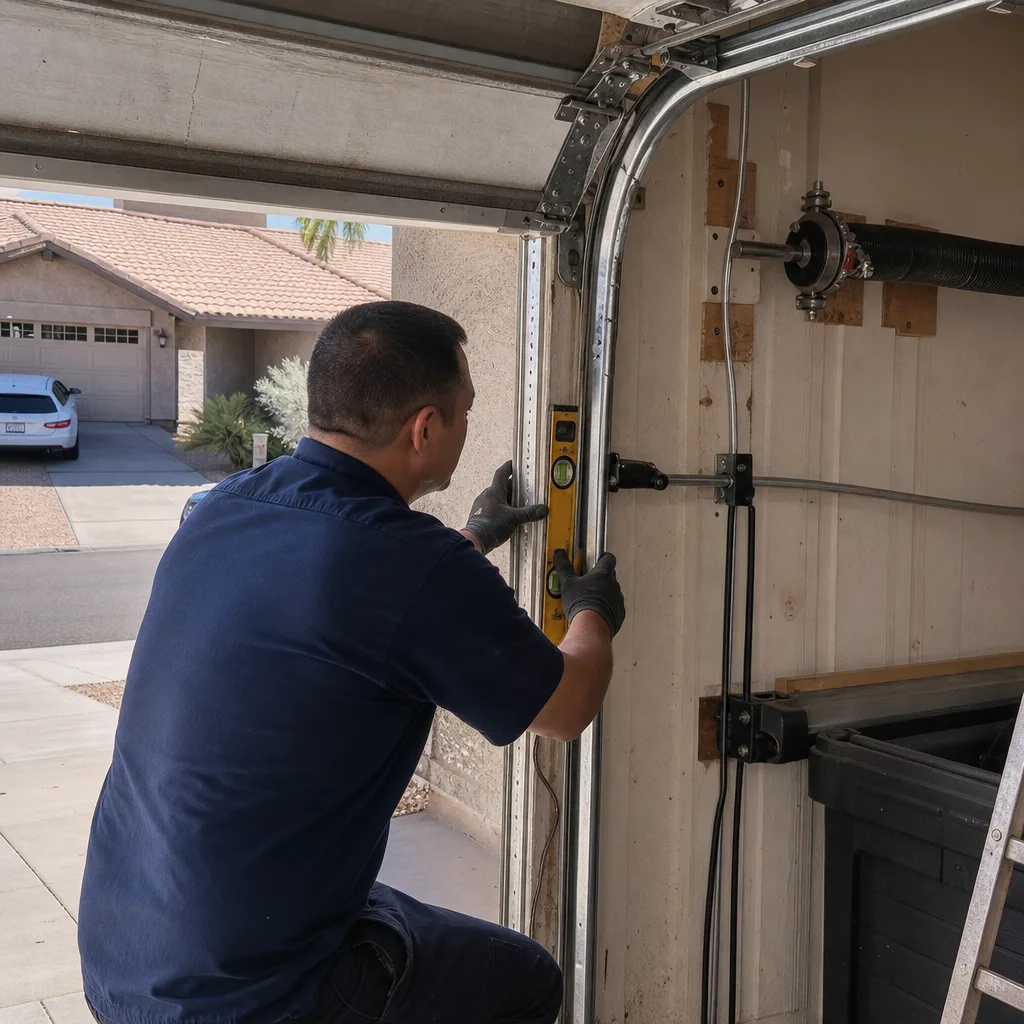
There’s a moment every Phoenix homeowner faces: the spring snaps, the tech comes out, and then you’re standing in the garage wondering whether to pay for the repair or pull the trigger on a whole new door. Here’s the calculation that will tell you the answer in five minutes.
Take the age of your current door. A standard steel door in Phoenix lasts 15 to 20 years if it’s been maintained, with the caveat that uninsulated, west-facing doors age faster because of heat exposure. Now take the total of your repair costs over the last three years. If you’ve spent more than 50% of what a new door would cost in the last three years on repairs, the numbers favor replacement.
The breakeven math on a door-by-door basis:
- Door is under 8 years old: Repair is nearly always the better financial decision, even for a $400 spring replacement. You’ve got at least 7 more years of door life ahead of you, and likely more.
- Door is 8 to 14 years old: This is the gray zone. The call should be driven by condition: if the panels are sagging, the track is misaligned, or you’ve replaced more than two springs already, replacement starts to make sense for doors in this range.
- Door is over 14 years old: Replacement is usually the smarter money. You’re likely looking at spring failure within two to four years, plus risk of panel fatigue, track wear, and opener motor age. The question isn’t whether to replace, it’s when.
The breakeven point in dollars looks like this: if the cost of a repair exceeds the depreciated value of your door plus the cost of the next two likely repairs within five years, replace the door. For a 16-foot door at year 12, that number is usually around $600 to $800. A single $300 spring repair on a 12-year-old door? Repair it. A $900 job that includes a new spring, new track section, and a roller replacement? You’re now spending enough to make new-door economics attractive.
No one wants to hear “replace it” when they called for a $200 repair. But spending $200 now to face another $400 repair in 14 months isn’t saving money; it’s deferring a known cost. The smartest thing you can do in Phoenix’s heat is get a straight answer about your door’s condition before you commit to either path. Our Garage Door Installation in Phoenix page covers the replacement side of that equation in more detail.
What a ‘Lifetime Warranty’ on a Spring Actually Means
Somewhere in Phoenix right now, a homeowner is being told they’re getting a “lifetime warranty” on their new torsion spring. What that phrase means in practice is very different from how it sounds. Here’s the truth about spring warranties, in contract terms, and it’s the thing nobody explains until you try to claim on one.
The standard “lifetime warranty” language on garage door springs covers exactly one thing: that the spring will not fail from a manufacturing defect. It does not cover wear from normal use. It does not cover rusting. It does not cover breakage caused by your garage door being out of balance. It does not cover failure due to the spring being undersized for your door. The list of exclusions is the real contract.
What that means in practice: when your “lifetime warrantied” spring snaps at year 6, the warranty claim will be denied if the technician can identify wear and tear, which is almost always the case with a spring that’s been cycled thousands of times. The word “lifetime” is doing all the emotional work and none of the legal work.
Here’s how to evaluate warranty language substantively:
- Cycle rating is a better indicator than warranty length. A 10,000-cycle spring on a door that opens four times daily lasts roughly six to seven years. A 5,000-cycle spring lasts three to four. The spring that’s actually warrantied as a 10,000-cycle spring will cost more and last longer. Ask for the cycle rating in writing.
- Look for the word “unconditional.” If it’s not there, the warranty has conditions. That’s not dishonest; it’s just the reality of contract language. At Servo, our 365-Day Done Right Promise means that if a repair isn’t right within one year, we make it right. No exclusion list, no fine print, no claim number. That’s how we want a warranty to work, and it’s written into every scope we provide.
- Ask what the claim process looks like. A warrantied part is worthless if the claim process involves three phone calls, two inspections, and a six-week wait. A good warranty is one you can actually use. Ask the company to walk you through a real claim scenario. If they can’t describe it in 30 seconds, the warranty is marketing, not coverage.
We’ve seen dozens of Phoenix homeowners pay a $75 to $120 premium for a “lifetime” spring that offered no practical advantage over a high-cycle spring with honest paperwork. The spring itself is a commodity. The documentation is what you’re actually paying for.
Door Gauge and Insulation: What You’re Actually Paying For
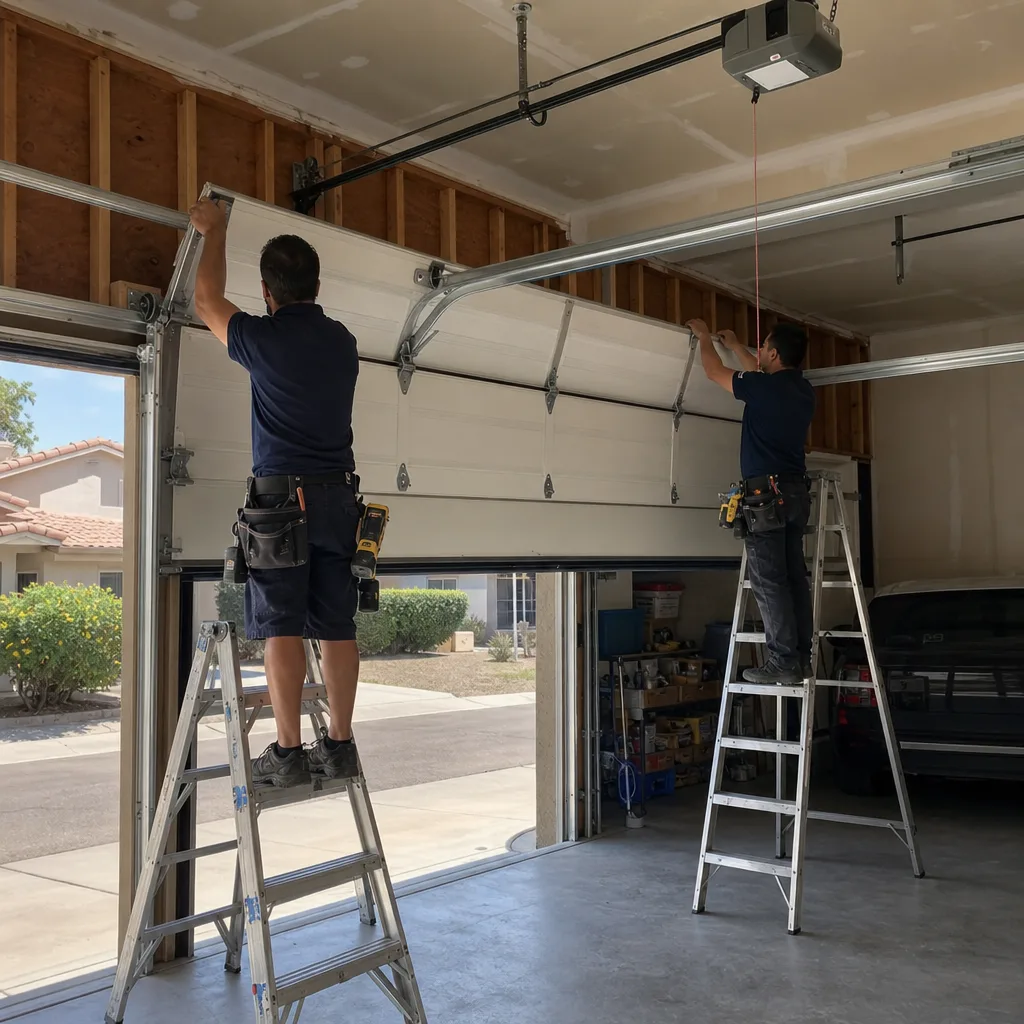
When you see two steel doors side by side on a showroom floor and one costs $500 more, the difference is almost never aesthetic. It’s gauge and insulation. Understanding these two variables is the main thing that separates an informed Phoenix buyer from someone who accidentally overpays or underbuys.
Gauge refers to the thickness of the steel skin on the door. The lower the number, the thicker the steel. A 25-gauge door is thinner and lighter; a 20-gauge door is thicker and heavier. In Phoenix, where a garage door spends every summer afternoon absorbing direct solar heat into its metal skin, a thinner door expands and contracts more with each thermal cycle. That repeated expansion creates micro-warping over time, which shows up as a door that doesn’t seal evenly along the bottom, or panels that start to rattle against each other in the wind.
Insulation is measured in R-value, which tells you how well the door resists heat transfer. In most climates, insulation is a comfort consideration. In Phoenix, it’s structural. A garage that hits 150°F in July isn’t just uncomfortable; it radiates heat into adjacent rooms and shortens the life of anything you store in the garage. An insulated door, typically with a polyurethane or polystyrene core, keeps the garage 15 to 25 degrees cooler in summer, and that’s a measurable difference for an attached garage that shares a wall with your living room.
What to look for on a quote:
- Ask for the gauge number. If the quote doesn’t mention gauge, you’re looking at a 25 or 26, which is the builder-grade standard. For Phoenix, 24-gauge is our floor recommendation.
- Ask for the R-value. Anything below R-6 is uninsulated in practical terms. R-10 to R-12 is a good target for a Phoenix attached garage. R-16 and above is excellent and generally reserved for doors that face west.
- Check the insulation type. Polystyrene panels are cheaper and offers lower R-value. Polyurethane foam is injected into the door and provides better insulation per inch. It also adds structural rigidity, which matters in a 16-foot-wide door.
If you’re replacing a door on a garage you use as a workshop, a gym, or a second living space, spend the extra $300 to $500 for higher R-value. The energy savings alone will recover that within three to four Phoenix summers. If your garage is detached and holds only cars and yard tools, a mid-range insulated door is fine and will still outperform an uninsulated builder-grade unit.
Opener Costs and Thermal Protection Class in Phoenix
Garage door openers in Phoenix die faster than anywhere else in the country, and the reason is written on the side of the motor. Every opener has a thermal protection class that specifies the ambient temperature at which the motor begins to limit its own operation to prevent damage. A standard residential opener is rated for 104°F. A Phoenix garage in summer runs 115°F to 145°F. The motor is running at or beyond its rated ceiling for four to five months of the year.
When a wall-mounted opener from LiftMaster or Chamberlain repeatedly overheats, the components that fail first are the logic board and the capacitor. The logic board is the brain; it controls the door’s open and close cycles, the light, the safety reversing system, and the wireless receiver. The capacitor provides the initial jolt of electricity to get the motor spinning. Both are heat-sensitive. In Phoenix, a board that would last 12 years in Seattle might last 5 to 7. A capacitor that would run a decade might die in 4.
Opener replacement economics in Phoenix:
- Belt-drive units typically cost $350 to $550 installed and are quieter than chain drives. The belt itself doesn’t care about heat; the motor does. This is the sweet spot for most Phoenix homes.
- Chain-drive units run $250 to $400 installed and are noisier. They’re fine for detached garages. In an attached garage with a bedroom overhead, the noise matters.
- Wall-mounted (jackshaft) openers are the premium option at $450 to $700 installed and they free up ceiling space. They also tend to run cooler because they’re mounted on the wall, away from the hottest air near the ceiling. For a Phoenix garage with high ceilings, this is a genuinely meaningful advantage.
- Thermal protection class is what you ask about. Look for a rating of 140°F or higher. Genie and LiftMaster both offer models in this range. The unit won’t cost much more, maybe $60 to $80, and it will outlast a poorly rated one by years in Phoenix conditions.
If your opener is older than 8 years and stops working in June, July, or August, it’s probably heat-related, and the smart money is on replacement rather than board repair. A new opener with a proper thermal rating will cost two to three times what a board replacement costs, but the board is going to fail again. For a deeper look at this decision, see our Garage Door Opener Repair & Installation in Phoenix page.
Disposal Fees and Maricopa County Steel Recycling
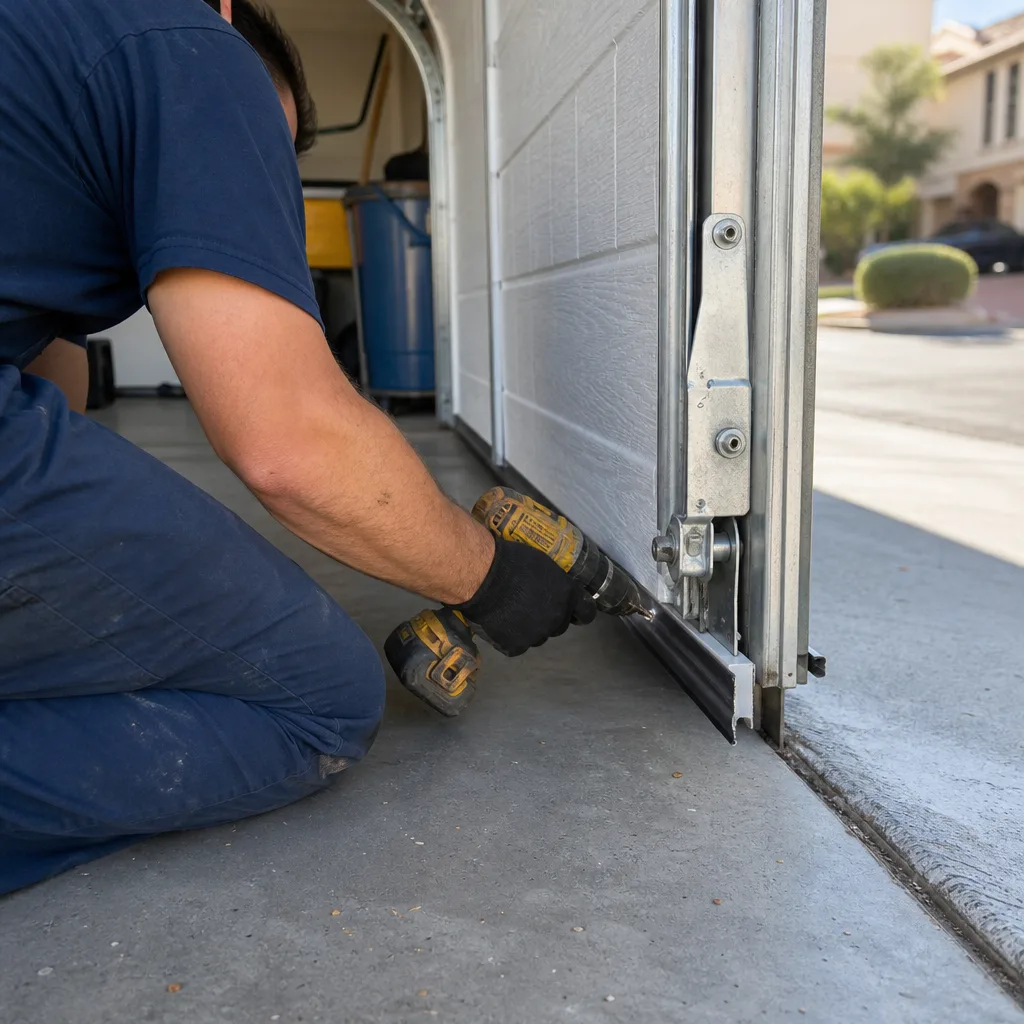
Every guide to garage door replacement costs skips this line item, and then the homeowner sees it on their invoice and thinks they’re being charged for something imaginary. Let’s kill the mystery: when your old garage door comes down, it has to go somewhere, and in Maricopa County, it costs money to make that happen.
A standard 16×7 steel door with insulation weighs roughly 180 pounds. The disposal process involves hauling it to a transfer station or recycling facility, paying the disposal fee, and covering the fuel and labor to get it there. Some parts of an old garage door are recyclable: the steel skins, the track, and the metal hardware all go into the steel stream. The insulation and any vinyl seals typically go to the landfill. The mixed nature of the material is why disposal fees for garage doors are higher than you might expect compared to, say, disposing of a refrigerator, which is one uniform material stream.
What you should expect to see on your Phoenix quote:
- A disposal fee of $50 to $150. Lower if the door is small and uninsulated; higher if it’s a double-wide with insulation and an old wooden frame that needs breaking down.
- It should be a separate line item. If “disposal” is folded into the labor line, you can’t evaluate whether the fee is reasonable. Ask for it broken out.
- Recycling credit, if applicable. Some steel in your old door has scrap value, and some Phoenix recyclers do pay for clean steel. A contractor who is transparent about this will either pass the credit through or explain that the logistics eat it. A contractor who doesn’t mention it probably isn’t tracking it.
We include the disposal fee in writing on every replacement quote at Servo Garage Doors Phoenix. It’s a fixed cost based on the door’s size and material, not a number we make up after the work is done. When you see it on the quote before the work starts, it’s not a surprise. That’s the point of a written-price-first rule, and it’s why we included it as Clause 1 of The Haven Standard back when the company was founded in 2015.
Common Mistakes to Avoid
- Accepting a single-line quote. If the quote says “garage door replacement” and a dollar amount, you don’t yet have a quote. You have a sales figure. Ask for the six-line breakdown described above. If the contractor won’t provide it, find one who will.
- Buying the cheapest spring. A 5,000-cycle spring on a Phoenix door that opens four times a day lasts about three and a half years. A 10,000-cycle spring costs $35 to $50 more and lasts twice as long. The cheap spring isn’t cheap; it’s an installment payment on the next service call.
- Ignore thermal protection class on the opener. This is the single most common cause of opener failure in Phoenix and the single most preventable one. Shop for the rating, not the brand name. A cheap LiftMaster with a low thermal rating will fail faster than a properly rated Genie.
- Replacing a door on an old track. The track is the guidance system. If it’s warped or rusty, a new door will roll like a car with a bent frame: it’ll work, but it’ll wear out the rollers, hinges, and panels in half the time. Replace the track with the door, especially in Phoenix where heat accelerates metal fatigue.
- Signing off on a verbal warranty claim. If the warranty details aren’t in writing, they don’t exist. This is true for every contractor in every trade in every state. Get it written down. If the contractor won’t put the warranty terms on paper, that’s the warranty.
- Waiting until the door fails completely to call. A garage door gives you warning signs before it dies: unusual noises, a door that reverses without command, slow operation, visible rust on cables. Catching these early in Phoenix means the difference between a $200 repair and a $2,000 replacement, especially before the summer heat puts extra strain on every component.
When to Call a Professional
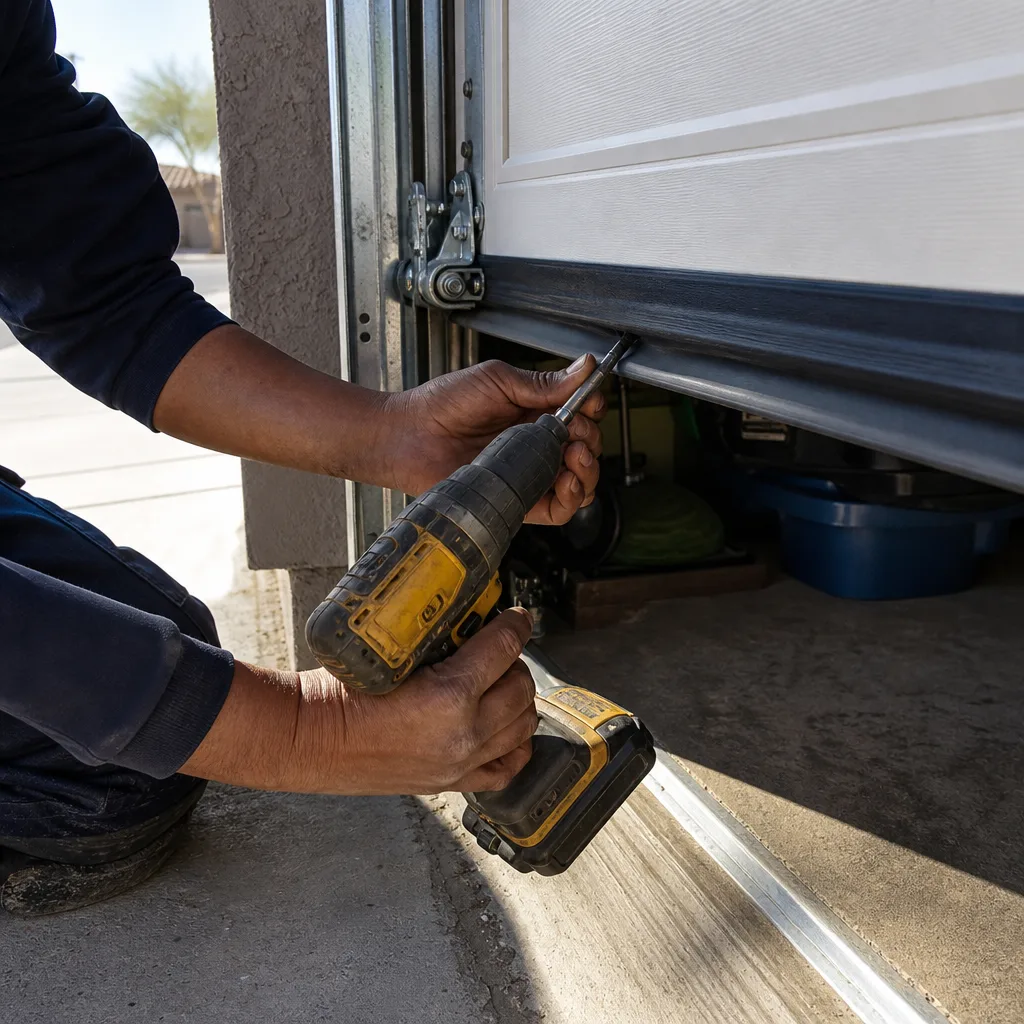
Some garage door work is genuinely dangerous, and the specific danger is the torsion spring. This component sits under 200 to 400 pounds of tension, and if it releases while you’re working on it, the results can be fatal. Don’t touch it. Cable work sits in the same category. Anything that involves lifting a door off its track, adjusting springs, or working with openers hardwired to your electrical panel is professional work. What you can do yourself: check the balance by disconnecting the opener and lifting the door manually, lubricate the rollers and hinges, and replace the bottom seal. Everything else, call someone who does this every day. For more guides & resources on keeping your door running, visit our blog. Servo Garage Doors Phoenix offers free estimates in Phoenix, and you can reach a live person any time at (623) 404-9080.
Frequently Asked Questions
A typical garage door replacement in Phoenix runs $1,100 to $2,800 installed, including the door, track, hardware, springs, labor, and disposal. Uninsulated single-car doors on existing track start around $850. High-end insulated double doors with upgraded thermal ratings and premium openers can reach $3,500 or more. The biggest variable is whether the quote itemizes everything, because an un-itemized quote can hide markup. Call (623) 404-9080 for a free, written estimate on your specific door.
Torsion spring replacement is the most common repair we see in Phoenix, and it typically runs $180 to $340 installed. The heat accelerates metal fatigue in springs, and a spring that would last seven years in a milder climate often fails in four or five here. If your door won’t open and you hear a loud bang from the garage, that’s almost certainly the spring. We carry replacement springs on the truck for same-day repair in most Phoenix neighborhoods.
A well-built steel door should last 15 to 20 years in Phoenix’s climate, with the caveat that west-facing doors in full afternoon sun wear out faster. Uninsulated builder-grade doors with thin 25-gauge steel often start showing problems at year 10. If your door is past year 14 and you’re facing another significant repair, the math usually favors replacement over fixing it again.
Yes, if your garage is attached to your home. An insulated door with an R-value of 10 or higher keeps the garage 15 to 25 degrees cooler in summer, which reduces heat transfer into adjacent rooms and extends the life of anything you store in the garage. The premium is usually $300 to $500, and for an attached garage in Phoenix, that’s money well spent. For a detached garage that only stores cars, a mid-range insulated door is adequate.
Yes, and in most cases that’s exactly what we do. An opener replacement typically runs $350 to $550 installed for a belt-drive unit. We recommend openers with a thermal protection class of 140°F or higher for Phoenix garages, because the heat inside a Phoenix garage in summer kills standard openers faster than the national average suggests. We service all major brands including LiftMaster, Chamberlain, and Genie.
Some do, some don’t. Servo Garage Doors Phoenix offers free estimates, and we put the price in writing before any work starts. That written price includes parts, labor, and disposal as separate line items. If a contractor won’t give you a written quote before starting work, that’s a red flag, especially in Phoenix where the heat puts extra strain on doors and the repair needs can change seasonally.
The Bottom Line
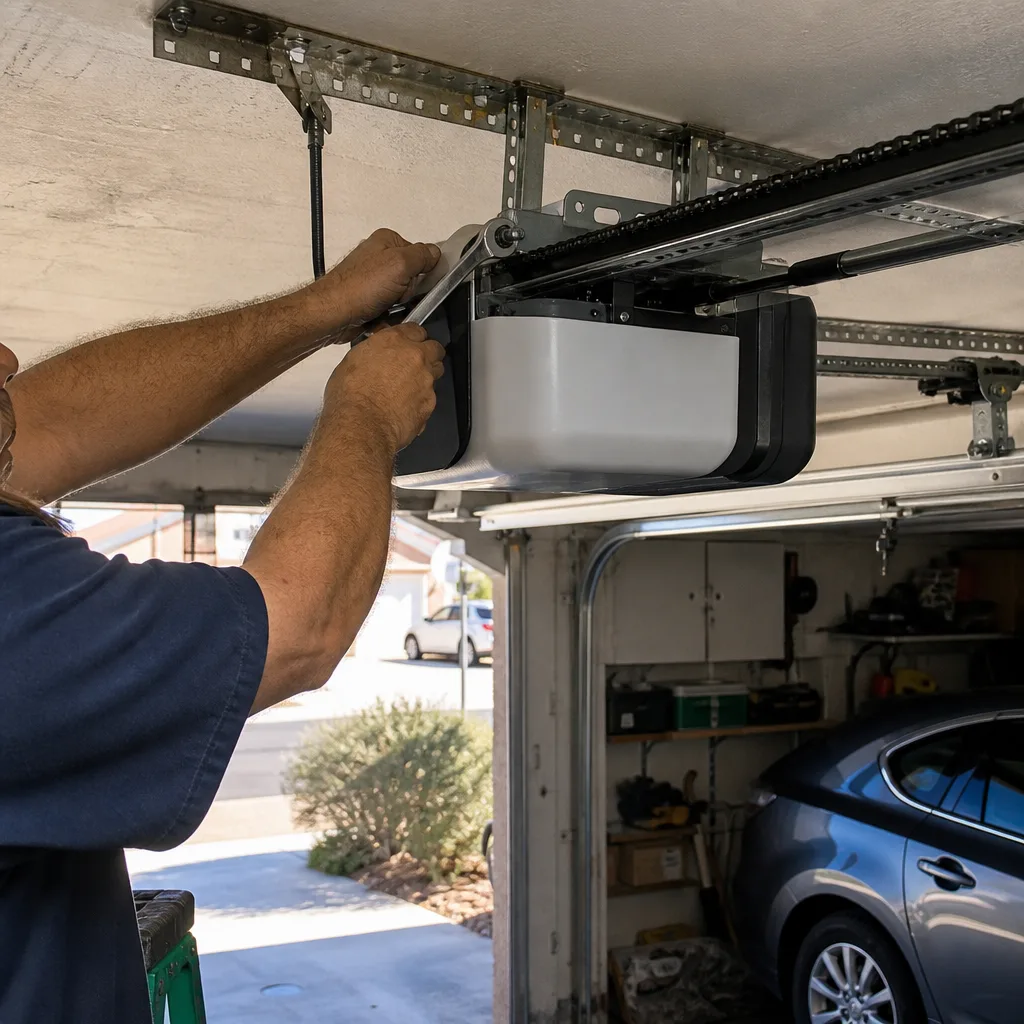
A garage door price in Phoenix is not one number; it’s a document. The difference between a $1,100 quote and a $2,400 quote for the same door lives in the line items: what gauge steel you’re getting, what cycle-rated spring is spec’d, whether the opener can handle 140°F without burning out its board, and whether disposal is written down or added after the work is done. The fix for all of this is relentless specificity. Ask for the gauge number. Ask for the R-value. Ask for the cycle rating on the spring. Ask for the thermal protection class on the opener. Any contractor who can’t answer those questions is one you shouldn’t hire regardless of price. Servo Garage Doors Phoenix has put written prices before work and photo records after it since 2015. You can call (623) 404-9080 and get a real person, and you can bring any competitor’s written estimate for a free second opinion. For everything about your garage door in Phoenix, that’s the whole story.
Written by Marcus Deller, Owner at Servo Garage Doors Phoenix, serving Phoenix since 2015.